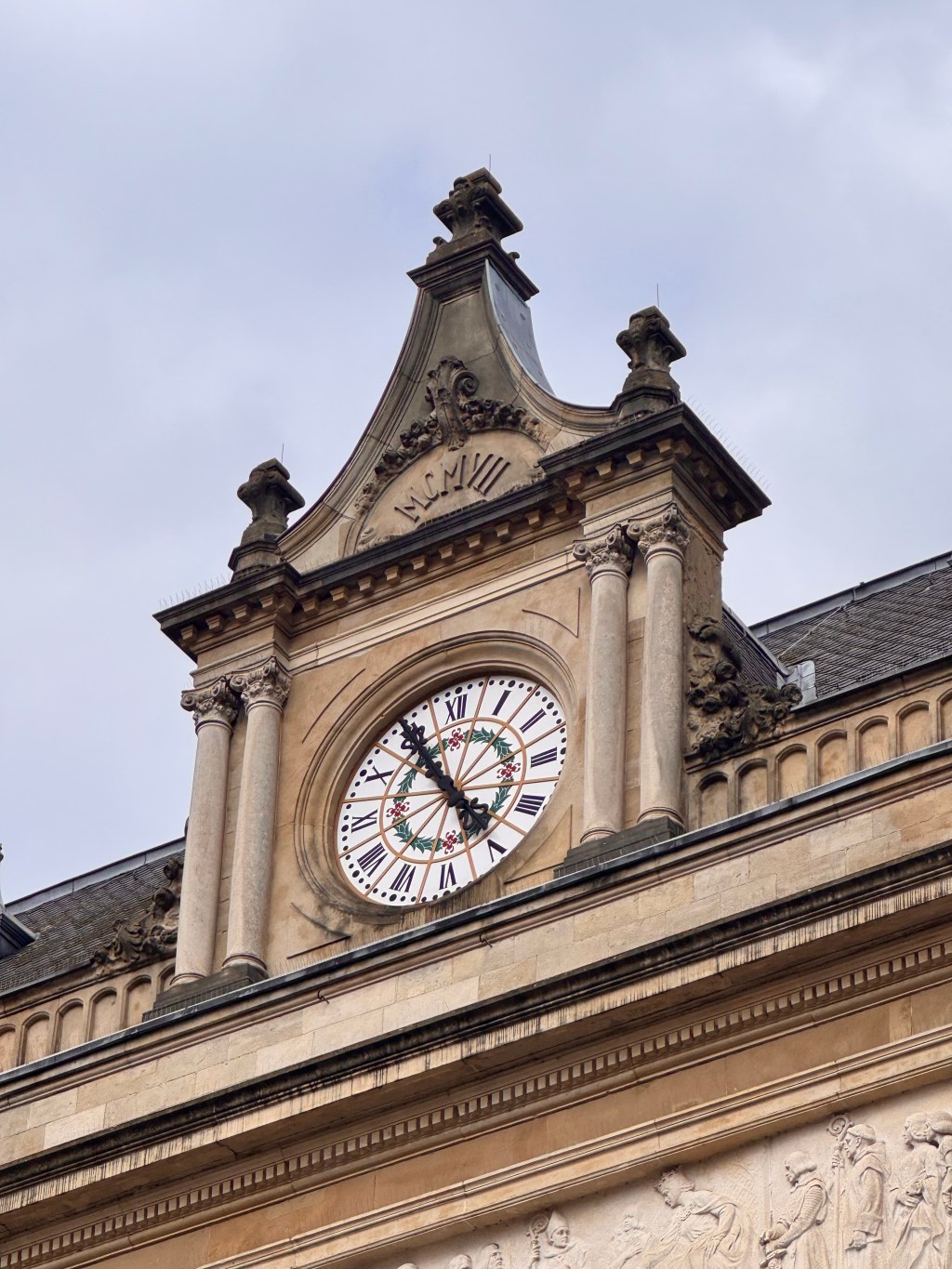
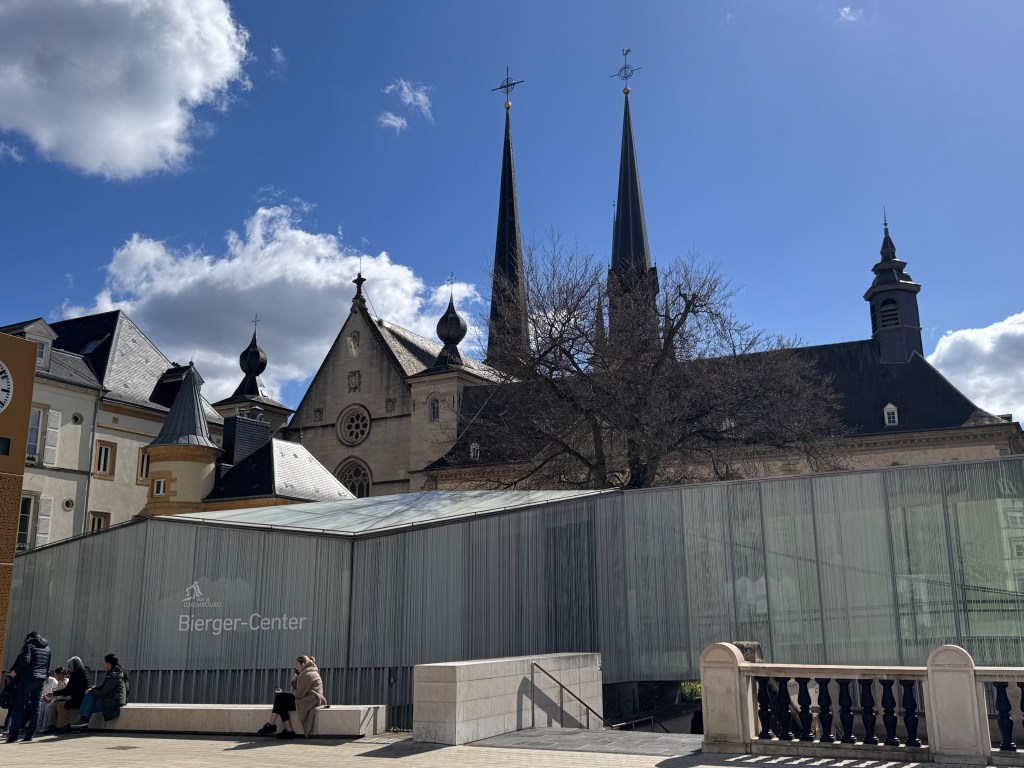
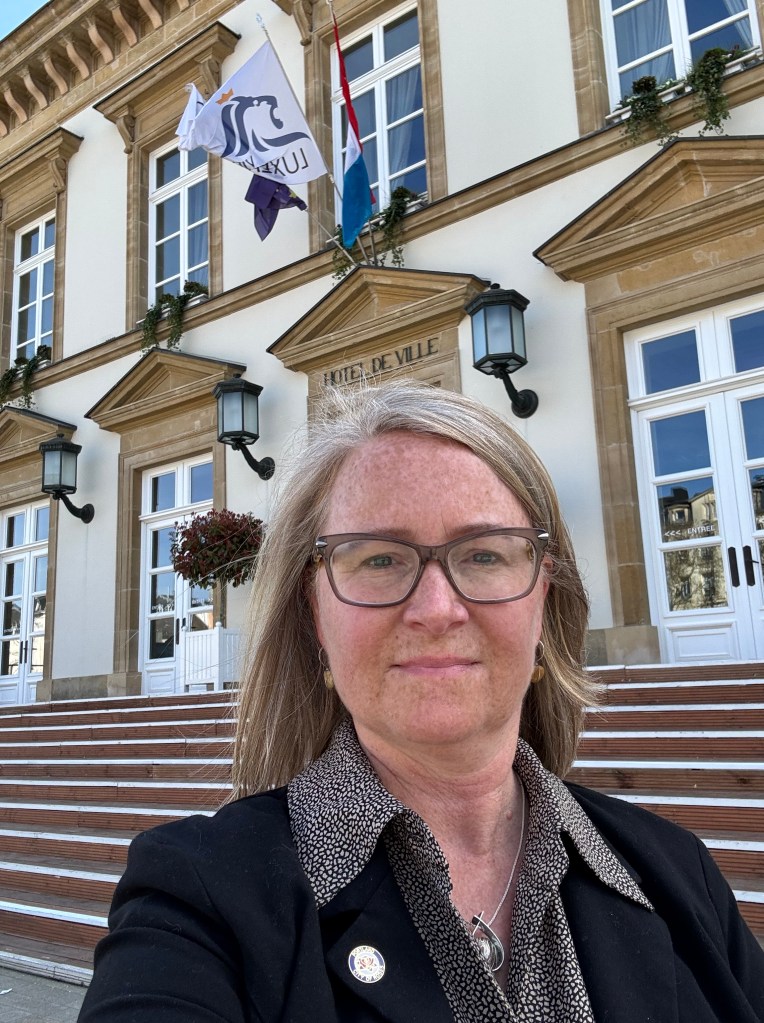
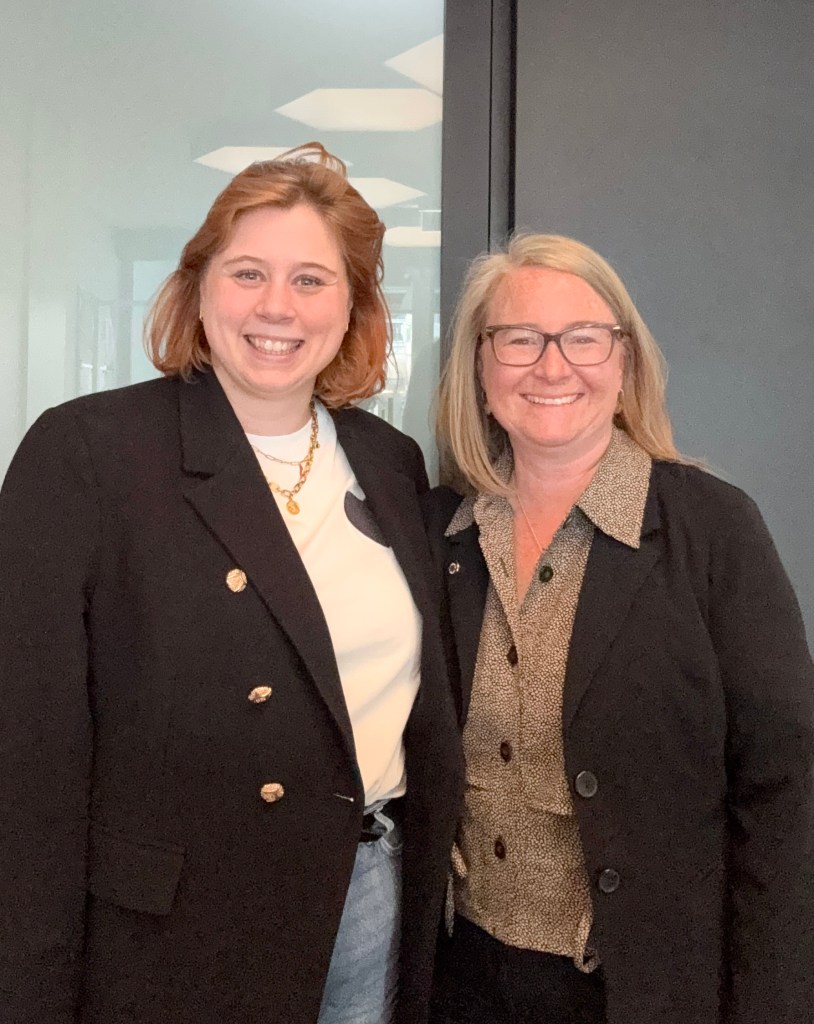
On Thursday, April 9 at 2:30 p.m. I visited the City office and met with the Ville de Luxembourg’s international relations representative, Jenna Dietrich. She was so knowledgeable and delightful to speak with. Through my meeting with her, and through two weeks fanning out across the City, I learned and observed some of its magic.
The City’s political structure has two primary components: Municipal Council and College of Aldermen, as well as many operational departments. They also print a quarterly publication on City progress.
Since January 1, 1964, the number of members serving on Luxembourg City’s municipal council was set at 27 – one for each of its municipalities – elected every six years to a six-year term. The Council meets as often as necessary and at least once every three months. It sets regulations governing all matters of the City and its meetings are public.
Meanwhile, the College of Aldermen is comprised of up to six elected officials, including a Mayor and Vice Mayor, and is the executive body responsible for administration of the City’s assets, institutions, works, staff, archives, and more. Its meetings are public, however they occasionally use executive sessions for specific matters such as personnel.
A few of the unique benefits that Luxembourg City provides its residents, and that I admired, include:
- Free transportation of all kinds – bus, train, and tram – both within the City and across the entire country of Luxembourg. That’s right, it’s free. Not only is it free, it’s also frequent, functional, clean and safe. And public transit is highly utilized – people are on the move to work, to school, to shop, to the library, and to access groceries and services.
- Cultural access knows no bounds: beginning in 2010, Luxembourg residents experiencing economic hardship, as well as nonprofit social service organizations, may qualify and request a Kulturepass that provides free access for two years to museums and cultural sites.
- Central City commercial district has a “Shop Luxembourg” welcome storefront which serves as a first-stop for tourists to explore all the options in the City’s downtown, central shopping district. Few empty storefronts exist because the City uses a combined approach: first, the City signs six-month to two-year leases with landlords, then providing entrepreneurs who apply with a grant to help establish their retail space; second, if landlords do not take advantage of the City’s help to fill the space, or work to secure tenants longer-term, the landlord of empty commercial space is taxed on leaving it vacant.
- A grand Tourist season kick-off happens each year on the weekend following Easter. The City hosts a large, tented event in the main square, inviting tourism offices from across the Country to host a booth and share the benefits of exploring Luxembourg. It’s a big celebration that drives local pride and local travel.
- Most locals speak four or five languages – Luxembourgish, French, German, Portuguese, Spanish, and English – making it a welcoming place for people of many backgrounds.
While there is much more to share about the beauty and operations of the City – including its bike lanes and eight majestic parks – one thing is true: there is a deep sense of pride among Luxembourgers, and rightly so.


Leave a Reply