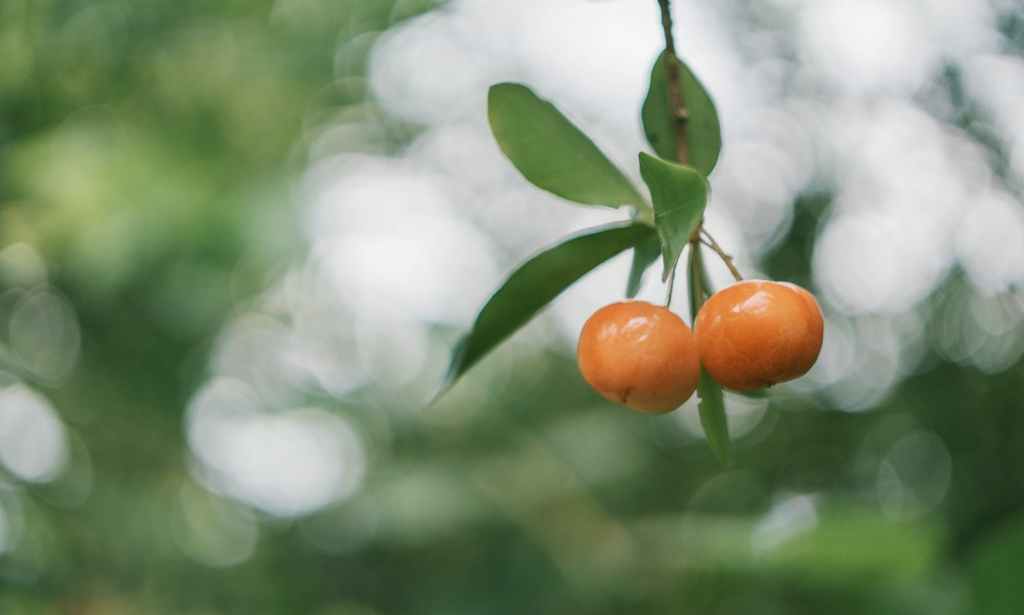
Spain’s third largest city, Valencia, is a sunny and splendid world unto its own – with its unique art culture, heritage sites, gastronomy, protected natural areas, prolific orange trees, its flag, symbol (bat), and even its own language. We gladly would have stayed here longer than three days.
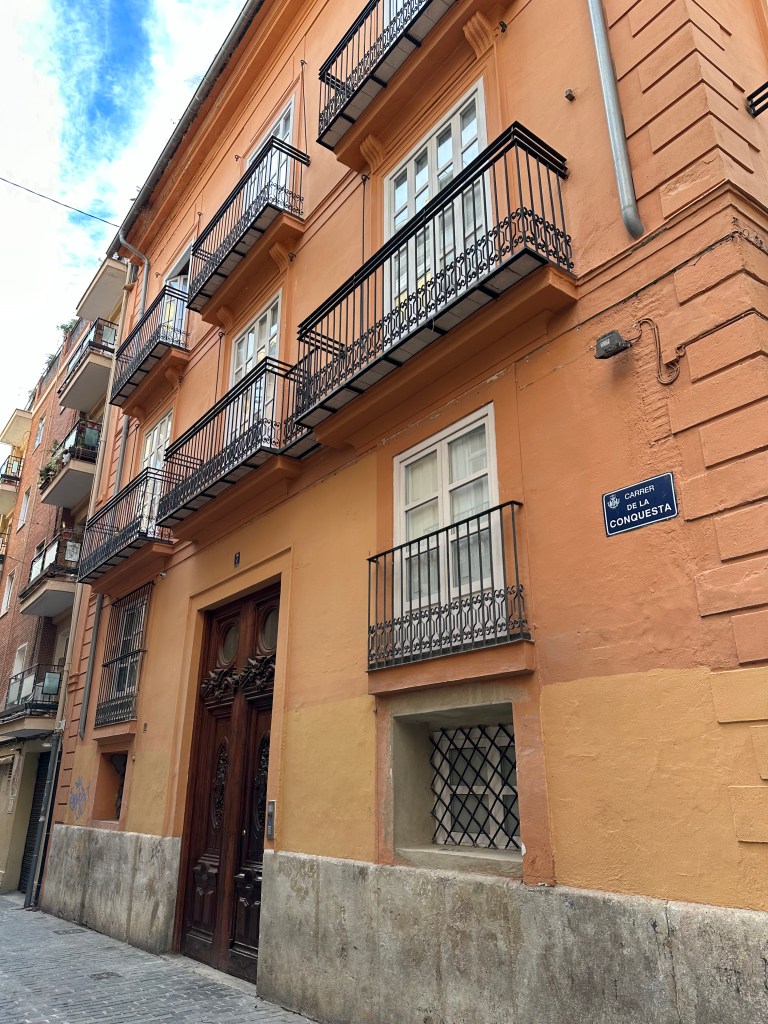
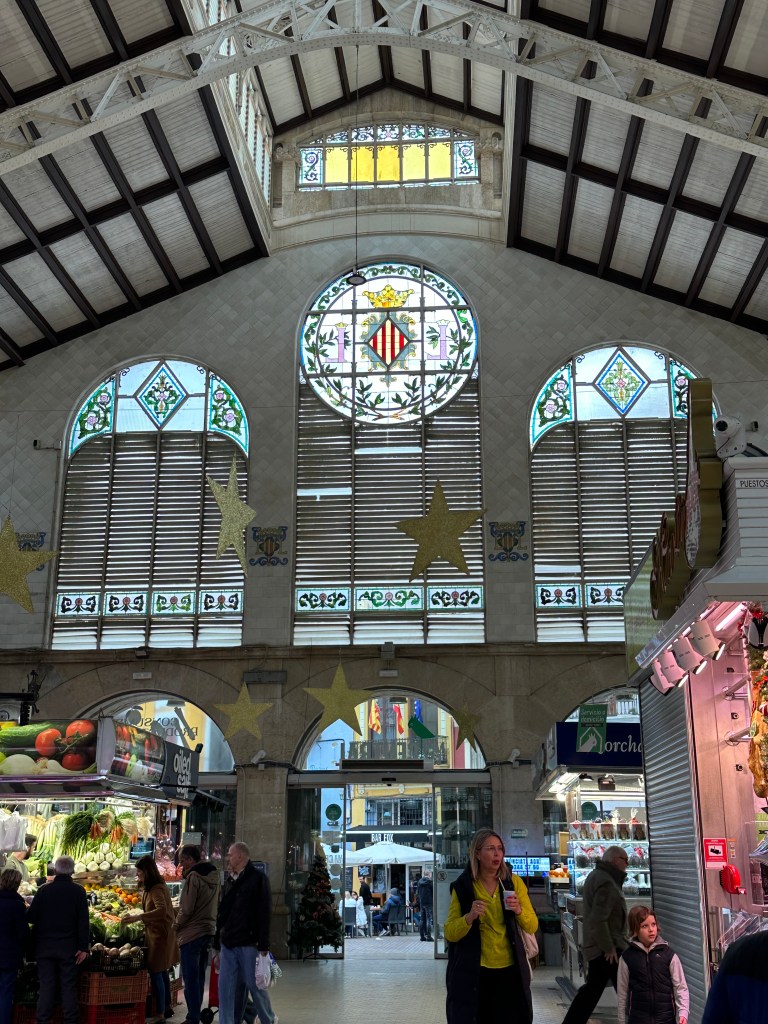
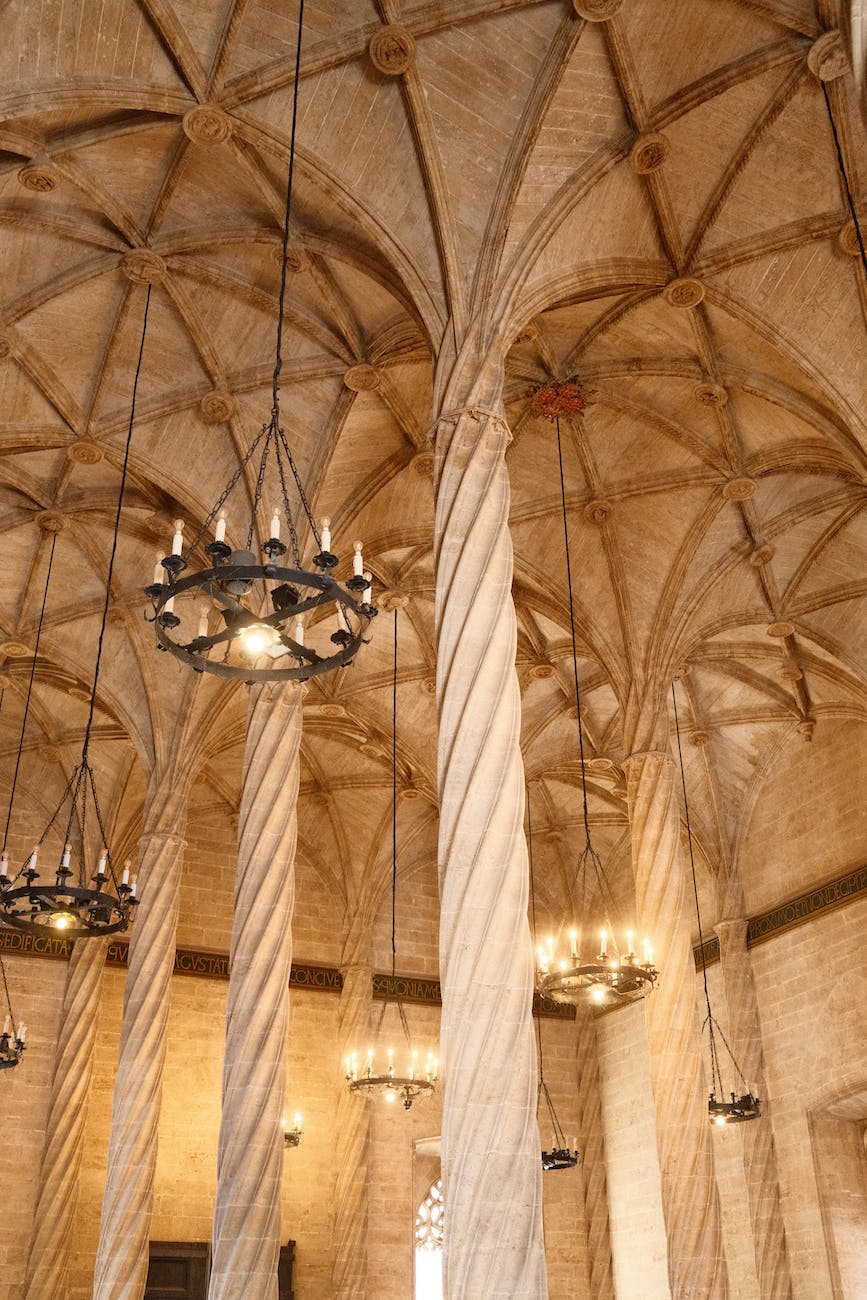
Staying in Ciutat Vella, Valencia’s old town, in a third story studio apartment on Carrer de la Conquesta was a special treat, just two blocks from Unesco Heritage Site La Lonja (the silk exchange), with small local merchants, restaurants, and what has come to be our favorite Mercat Central so far in Spain. And, we could be found at this market every day, multiple times a day. While Valencia has 34 museums, we chose the Silk Museum and are very glad we did.
In town, there is plenty of Spanish, Catalan, and English spoken, while in more rural areas one finds the region’s own language of Valenciano.
And what is “Agua de Valencia” exactly? Agua de València is a pitcher cocktail created in the 1950s at the Café Madrid de Valencia. Here is more history and a recipe. Make sure to order it to share (para compartir) at a restaurant, like Escalones de la Lonja, that makes their own, fresh, pitchers in half or one litre portions. We enjoyed their food, service and location.

 Puddletown PR
Leave a comment